
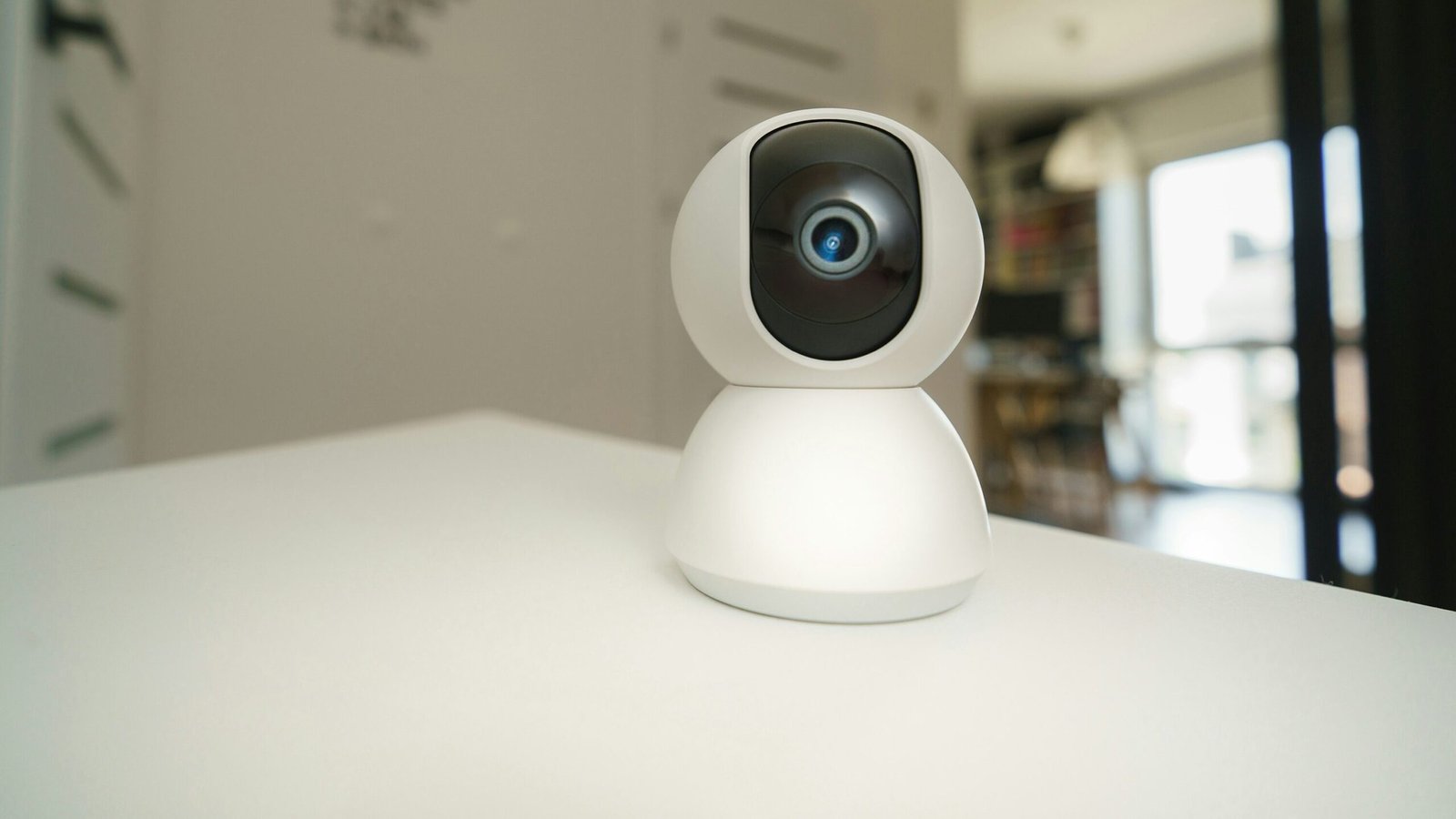
Scope: This article examines motion‑detection behavior observed in smart home cameras. It focuses on mechanisms, reproducible tendencies, and user‑reported inconsistencies. It does not provide troubleshooting steps, recommendations, or product‑specific guidance. The goal is to document motion‑detection variability as an observable, system‑agnostic phenomenon.
Overview
Smart camera motion detection variability arises from how cameras interpret pixel changes, detect movement, and classify events. Variability in these layers produces recognizable patterns shaped by lighting conditions, object size, distance, environmental motion, and algorithmic thresholds. These patterns appear across ecosystems and device generations.
Table of Contents
Mechanistic Basis of Smart Camera Motion Detection Variability
Several mechanisms shape how cameras detect and classify motion:
- Pixel‑change detection: Cameras identify motion by comparing sequential frames for changes in pixel values.
- Object‑size thresholds: Systems require a minimum object size or movement area to trigger detection.
- Lighting conditions: Shadows, glare, and low‑light noise influence detection accuracy.
- Environmental motion: Trees, reflections, insects, and weather introduce non‑human movement.
- Algorithmic filtering: Systems apply smoothing, classification, and confidence thresholds to reduce false triggers.
- Field‑of‑view geometry: Motion near the edges of the frame is detected differently than motion near the center.
These mechanisms create consistent categories of detection patterns.
A Taxonomy of Smart Camera Motion Detection Patterns
1. Sensitivity to Small or Distant Objects
Cameras may miss small or far‑away movement due to object‑size thresholds or pixel‑change limits.
2. Over‑Triggering from Environmental Motion
Wind‑driven foliage, shadows, insects, and reflections frequently trigger motion events.
3. Under‑Triggering in Low Light
Noise reduction, frame smoothing, and limited contrast reduce detection accuracy at night.
4. Edge‑of‑Frame Variability
Motion near the edges of the field of view is detected less consistently than motion near the center.
5. Classification‑Related Variability
Systems may classify motion differently depending on object shape, speed, and direction.
6. Delay in Event Notification
Processing, filtering, and network timing introduce delays between motion and notification.
7. Multi‑Camera Overlap Variability
When multiple cameras cover the same area, each may detect or classify motion differently.
Detection Drift Curve
Motion‑detection variability often follows a recognizable progression:
- Occasional missed or unexpected triggers
- Lighting‑dependent inconsistencies
- Environmental motion dominating event logs
- Classification differences across similar events
- Persistent variability in specific locations or conditions
This curve reflects how environmental and algorithmic factors accumulate over time.
Environmental and Architectural Effects
Motion‑detection patterns vary across environments:
- Outdoor areas: more environmental motion and lighting variability
- Indoor spaces: more stable lighting but more occlusion
- Entryways: frequent partial‑frame motion
- Driveways: vehicle‑related motion dominating detection
- Backyards: foliage and wildlife influencing triggers
These differences reflect environmental complexity and camera placement.
Algorithmic and Interpretation‑Layer Dynamics
Smart cameras rely on multiple layers of interpretation:
- frame differencing
- motion‑vector analysis
- object classification
- confidence scoring
- event filtering
Variability in these layers influences how motion is detected, labeled, and reported.
Patterns in User‑Reported Behavior
Users commonly describe:
- cameras missing motion at night
- cameras triggering from shadows or foliage
- inconsistent detection across similar events
- delayed notifications
- different cameras detecting the same event differently
- motion detected only when subjects are close
- over‑triggering during windy or bright conditions
These patterns appear across ecosystems and device generations.
Why This Matters
Motion‑detection patterns shape how smart cameras behave in daily use, and smart camera motion detection variability provides context for how image‑based sensing systems operate in real‑world environments without implying malfunction, fault, or user error.
Frequently Observed Questions
Why does the camera miss motion at night?
Low‑light noise reduction and limited contrast influence detection.
Why does it trigger from shadows or trees?
Environmental motion produces pixel changes similar to real movement.
Why do two cameras detect the same event differently?
Field‑of‑view geometry and algorithmic thresholds vary.
Why are notifications sometimes delayed?
Processing and filtering introduce timing variability.
Sources of Observations
Patterns described in this article reflect user‑reported behavior across public forums, reproducible tendencies observed in smart home environments, and known characteristics of image‑based motion‑detection systems.
Neutral Handoff to Category Hub
For related patterns involving door‑lock timing variability, see Smart Door Lock Delays.
For related patterns involving temperature and occupancy variability, see Smart Thermostat Sensor Accuracy.
For related patterns involving voice recognition variability, see Voice Assistant Misinterpretation.
For connectivity‑related behavior in lighting systems, see Smart Bulb Connectivity Issues.
For an overview of smart home behavior across devices, see Smart Home Category Hub.